
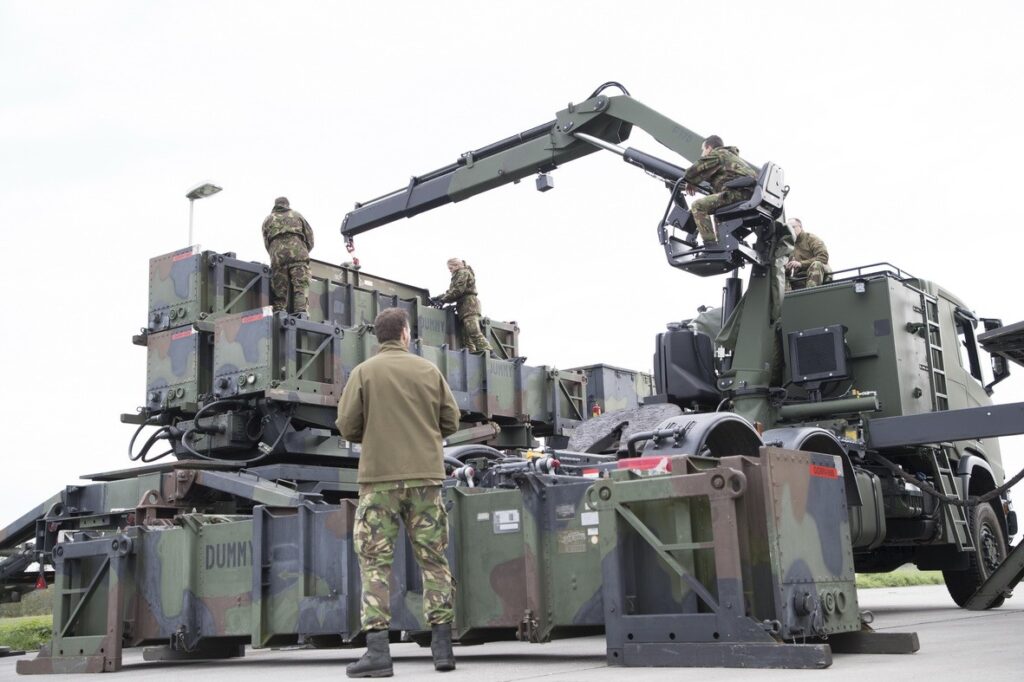
In complex defence systems, logistics and support are not secondary activities, they are part of the system itself. Equipment is transported, configured, maintained, replaced, and redeployed throughout its operational life. In this environment, data traceability becomes an operational capability rather than an administrative function.
Integrated Logistics Support (ILS) training increasingly reflects this reality. The entire lifecycle of defence systems depends on structured identification and traceable data. UID supports this by enabling individual tracking of equipment and components, but real value is created when data consistently follows the system over time.
A critical element is how maintenance activities are connected to specific equipment identities. Through Maintenance Task Analysis (MTA) training, both preventive and corrective actions are linked to uniquely identified items. When a technician replaces a spare part, the part is scanned in an electronic maintenance management system. The specific serial number is then connected to the product system’s digital logbook, ensuring that the recorded configuration matches operational reality.
This structured traceability strengthens auditability and regulatory compliance, while also enabling ILS engineers to provide data-backed feedback to designers early in the lifecycle. Over time, this reduces duplication of effort, improves reliability, and supports more informed lifecycle decisions.
In dynamic field environments where equipment is frequently moved and reconfigured, traceability creates the essential link between physical assets and digital records. When UID-based identification is integrated into ILS training and daily routines, traceability becomes embedded in the organisation’s way of working, supporting both readiness and long-term lifecycle control.